Where to Stay in Tokyo
on Your First Visit
Choose a neighbourhood by the rhythm you want each morning and evening — not only by the sights on a map.
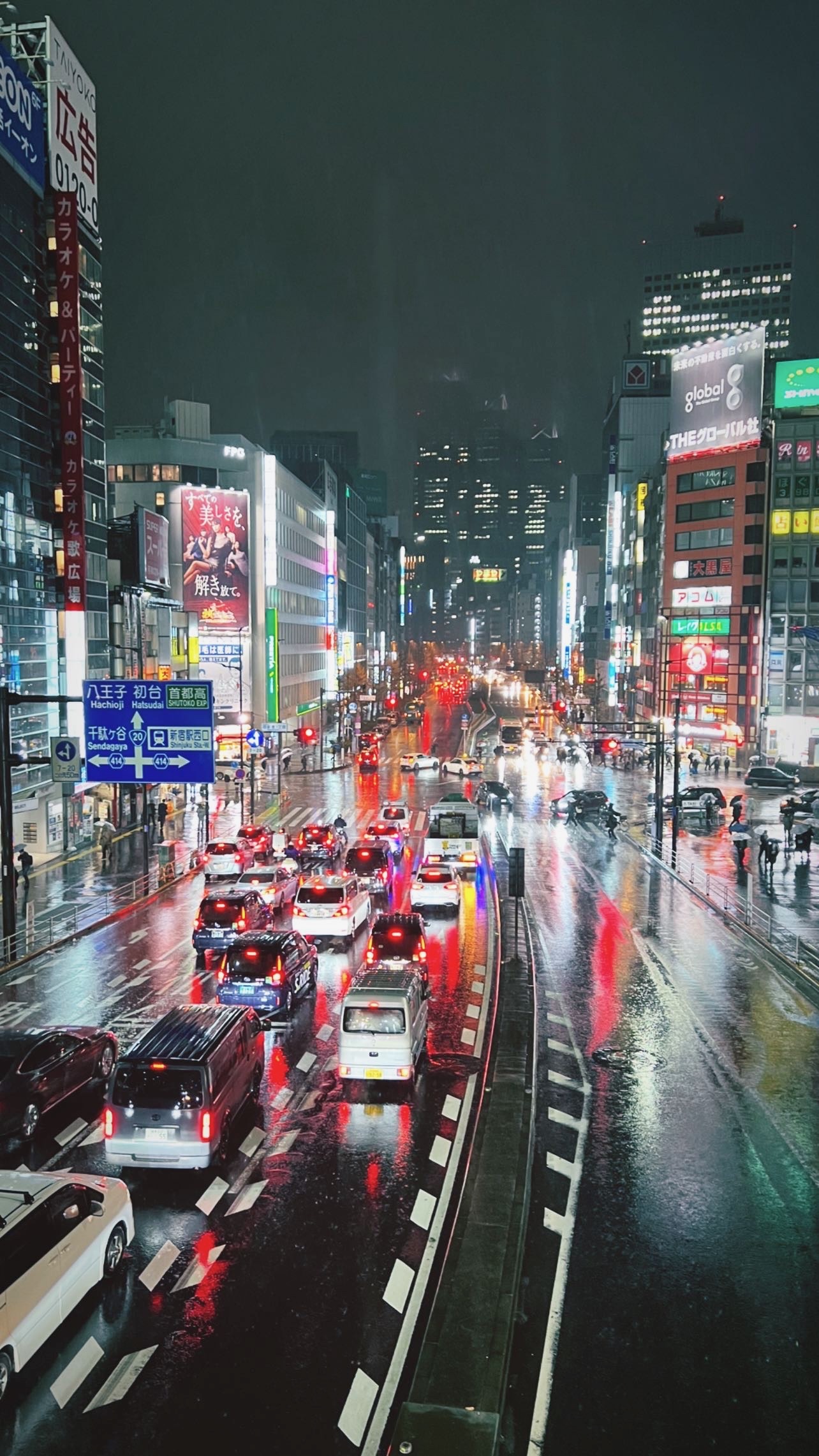
There is no single centre of Tokyo. The city is a constellation of neighbourhoods, and the place you return to each night will shape the journey as much as the places on your list.
For a first visit, the best base is rarely the neighbourhood with the most attractions. It is the one that reduces the journeys you make repeatedly and gives you an atmosphere you still enjoy after a long day.
CHOOSE BY RHYTHM
For effortless onward travel
Tokyo Station & Marunouchi
The clearest base for travellers continuing to Kyoto or elsewhere by Shinkansen. Tokyo Station connects JR, the Marunouchi subway line and long-distance rail, while Ginza and Nihonbashi are close enough to fold into an evening walk.
For design, dining and calm evenings
Ginza
Ginza suits travellers who prefer galleries, department stores, thoughtful retail and restaurants over late-night crowds. Multiple subway lines make it a practical central base, and Tokyo Station is within easy reach.
The right base makes Tokyo feel smaller without making the journey feel narrower.
For contemporary Tokyo at the door
Shibuya
Choose Shibuya if fashion, music, art and a sense of the city in motion are central to the trip. Its many rail and subway connections make western Tokyo especially easy to explore, with Daikanyama, Harajuku and Omotesando nearby.
For maximum transport choice
Shinjuku
Shinjuku is a powerful base for travellers whose plans stretch across the city or include day trips west of Tokyo. The neighbourhood contains many distinct moods, from department stores and skyscrapers to small restaurants and nightlife.
For mornings in older Tokyo
Asakusa
Asakusa offers early walks around Sensoji, access to the Sumida River and a more traditional streetscape. The Ginza and Asakusa subway lines provide useful connections, while the neighbourhood becomes notably calmer after day visitors leave.
For museums and a slower local rhythm
Ueno & Yanaka
Ueno combines a major rail hub with museums, parkland and the energy of Ameyoko. Nearby Yanaka and Nezu trade scale for temple streets, cafés and an older residential texture — a useful pairing for travellers who want access without constant intensity.
JAPANWISE EDIT
West Tokyo,
beyond the obvious.
For travellers who would rather return to a bakery, a neighbourhood restaurant or a familiar stretch of park than a landmark, these western bases offer a quieter alternative.
The most approachable local choice
Tomigaya & Oku-Shibuya
Within walking distance of central Shibuya, these streets offer cafés, small restaurants and easy access to Yoyogi Park without the crossing’s intensity.
Accommodation is limited, so check the walk to Yoyogi-koen, Yoyogi-Hachiman or Shibuya Station.For food and a settled city rhythm
Yoyogi-Uehara
A residential neighbourhood of bakeries, restaurants and everyday shops, with useful Odakyu and Tokyo Metro Chiyoda line connections.
It is not a sightseeing hub; expect short rail journeys for many first-visit landmarks.For a more local Tokyo
Hatagaya
Close to Shinjuku yet distinctly local, Hatagaya brings together shopping streets, independent kitchens and compact bars.
Hotel choice is narrow, and it is a selective rather than universal first-visit base.BEFORE YOU BOOK
Look at the journey you will repeat.
Check the walk from the station to the hotel, not simply the station name. A property five minutes from a useful entrance can be easier than one attached to a vast interchange. Compare your likely first and last journeys of each day, airport arrival and any Shinkansen departure.
- 01Map three places you expect to visit
- 02Check the final train home, not only the first route out
- 03Confirm the station exit and luggage route
- 04Choose the atmosphere you want after 8pm
CHECKED & USEFUL
Official neighbourhood guides
Transport times and local details change. Use these official pages to check the area closest to your stay.
Information reviewed 17 August 2026. Hotel recommendations will be added only after editorial review.10 Things to Know Before Visiting Japan
The small details that make arriving and moving through Japan easier.
Read the guide ↗Five Ryokan Worth Travelling For
Remarkable inns where hospitality, landscape and a sense of place come together.
Return to the journal ↗